We Had a Talent Problem. So Did Our Clients.
How a frustrating recruitment problem led us to rethink graduate development and discover the value of building talent together.
We Were Developing Great People. For Someone Else.
A few years ago, we had a problem at KPI Management Solutions. We were getting good at finding and developing talented data analysts, but the better we became at training them, the more likely we were to lose them.
Our clients kept employing our people.
We were a consulting business specialising in data and analytics. Over many years, I had developed a good understanding of what made someone a capable data analyst or business analyst. I knew where to look for talent, what qualities mattered and how to develop the skills these people needed.
We would recruit someone, invest in their development and gradually turn them into a valuable consultant. They would work on client projects, gain experience and become increasingly effective. And then, just when we were beginning to see the benefit of that investment, a client would offer them a better salary and a bigger opportunity.
And off they went.
It became a recurring problem. We had contractual arrangements intended to prevent clients from employing our consultants but enforcing them was not always practical. These were important business relationships, and we had other work with those clients.
I was becoming increasingly frustrated.
The more successful we were at developing people, the more attractive they became to the companies we were serving. We were effectively creating the talent that our clients wanted, only to find ourselves back at the beginning of the recruitment process.
Eventually, I decided we needed to have a different conversation.
The conversation that changed everything
I sat down with some of our clients and asked a fairly direct question.
Why do you keep taking our people?
Their response surprised me, although looking back, it probably shouldn't have.
They were struggling to find talent.
They described recruitment processes that had gone on for six or nine months. They had interviewed dozens of candidates, worked through piles of CVs and spent considerable time trying to fill positions.
When they eventually found someone who looked promising, the salary expectations were often high. And even after making the appointment, they frequently discovered that the person needed additional training.
Sometimes the person arrived with habits that were difficult to change. Sometimes they didn't stay.
The entire process was frustrating, expensive and uncertain.
As I listened, something became obvious.
We were both struggling with the same problem, but from different sides.
I was frustrated because they kept employing the people we had developed. They were frustrated because they couldn't find people with the capabilities they needed.
Yet we both wanted exactly the same thing.
Capable people who could do valuable work.
That was the moment when the conversation changed.
What if we stopped competing for talent?
I suggested that we approach the problem differently.
Instead of waiting for us to develop good people and then employing them, why didn't we work together to develop the talent they needed?
We already understood how to identify potential. We had spent years learning how to develop people into capable data professionals. We knew which skills mattered and how to give people practical experience.
Our clients had something equally important.
They had real business problems, experienced managers, operational systems and an ongoing need for talent.
What if we combined those things?
We could recruit talented graduates, develop their technical capabilities and place them inside the client's business while they were learning.
The client would gain access to developing talent. The graduate would gain meaningful workplace experience. And we would have a reason to invest in people without constantly worrying that our consulting team would disappear.
One of our clients agreed to try it.
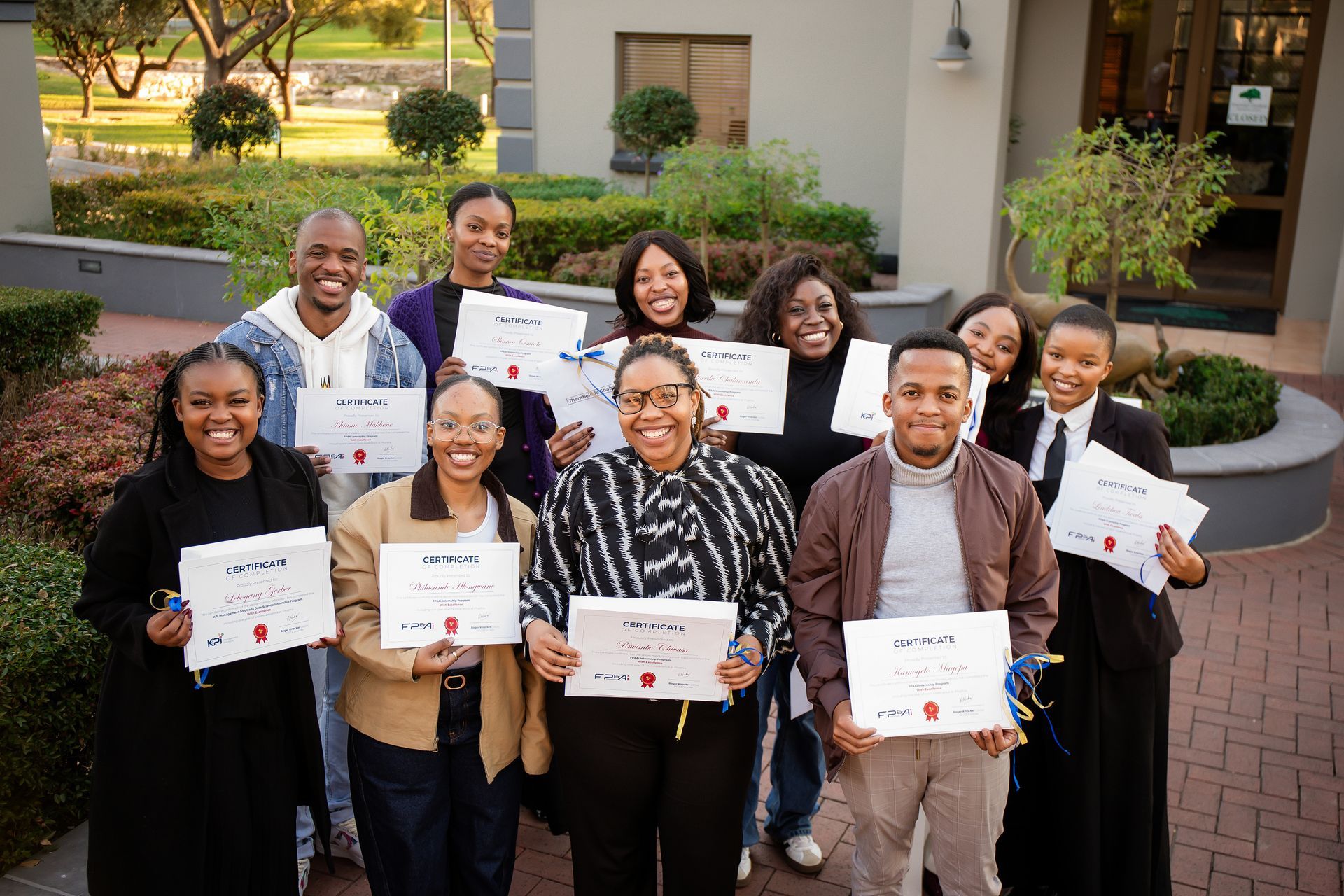
Our first group consisted of approximately eight graduates.
We had never run a graduate programme like this before, so there was a great deal we still needed to learn.
But the important decision had already been made.
We were no longer simply supplying people to a business.
We were agreeing to build talent together.
Agreeing the pipeline before building it
That experience changed the way I think about graduate development.
Many organisations approach training by starting with a budget. They identify a programme, recruit participants, deliver the training and then begin thinking about what happens afterwards.
I believe there is a better starting point.
Begin with the business.
What capabilities does the organisation need? Where are the shortages? Which departments are struggling to recruit? What work could talented graduates realistically learn to perform?
And perhaps most importantly, is the business prepared to participate in developing those people?
When those questions are answered, training becomes part of a deliberate talent development process.
The organisation has a reason to invest because it needs the capability. The graduate has an opportunity to develop skills that someone actually wants. And the training provider can design the learning around the work that needs to be done.
This doesn't mean every graduate is guaranteed a job.
It means the programme begins with a genuine business need rather than the hope that an opportunity might appear later.
There is a significant difference between those two approaches.
The CFO who wanted four graduates and ended up taking eight
One of my favourite examples of what happens when the business recognises talent comes from a bank we worked with.
The CFO had agreed to take four graduates into the programme.
As part of our recruitment process, we shortlisted eight candidates for him to interview. We wanted him to have a meaningful choice rather than simply presenting four people for four positions.
We went through the interviews together.
At the end, he turned to me and said he wanted all eight.
He had only budgeted for four, but he was sufficiently impressed with the candidates that he spent the afternoon going around the building looking for other cost centres willing to take the additional graduates.
He effectively went and found the funding for another four positions.
I love that story because nobody had to persuade him to increase his investment through a complicated business case.
He had met the candidates. He had seen their potential. And he had decided that he wanted more of them in his organisation.
That is what happens when the business sees talent as an opportunity rather than training as an obligation.
The conversation changes from how much do we have to spend, to how many of these people can we accommodate?
The workplace is part of the classroom
Over time, we have refined the programme, but one principle has remained important.
Graduates need to work in the business while they are learning.
In our model, graduates spend four days a week in the host organisation and one day with KPI developing their technical and analytical capabilities.
They begin working in the organisation from day one.
They learn the language of the business, the systems, the acronyms, the expectations and the relationships. They become familiar with the environment in which their skills will eventually be used.
And importantly, they work with experienced people who can guide them.
I cannot overstate the importance of committed workplace mentors.
We can provide excellent technical training, coaching and practical exercises, but we cannot recreate every aspect of a real business environment in a classroom.
The host organisation has to be invested in the process.
A graduate who is given meaningful work, constructive feedback and opportunities to contribute will develop differently from someone who spends months learning theory without understanding where it will be applied.
The business is not simply waiting for a finished product.
It is participating in the development.
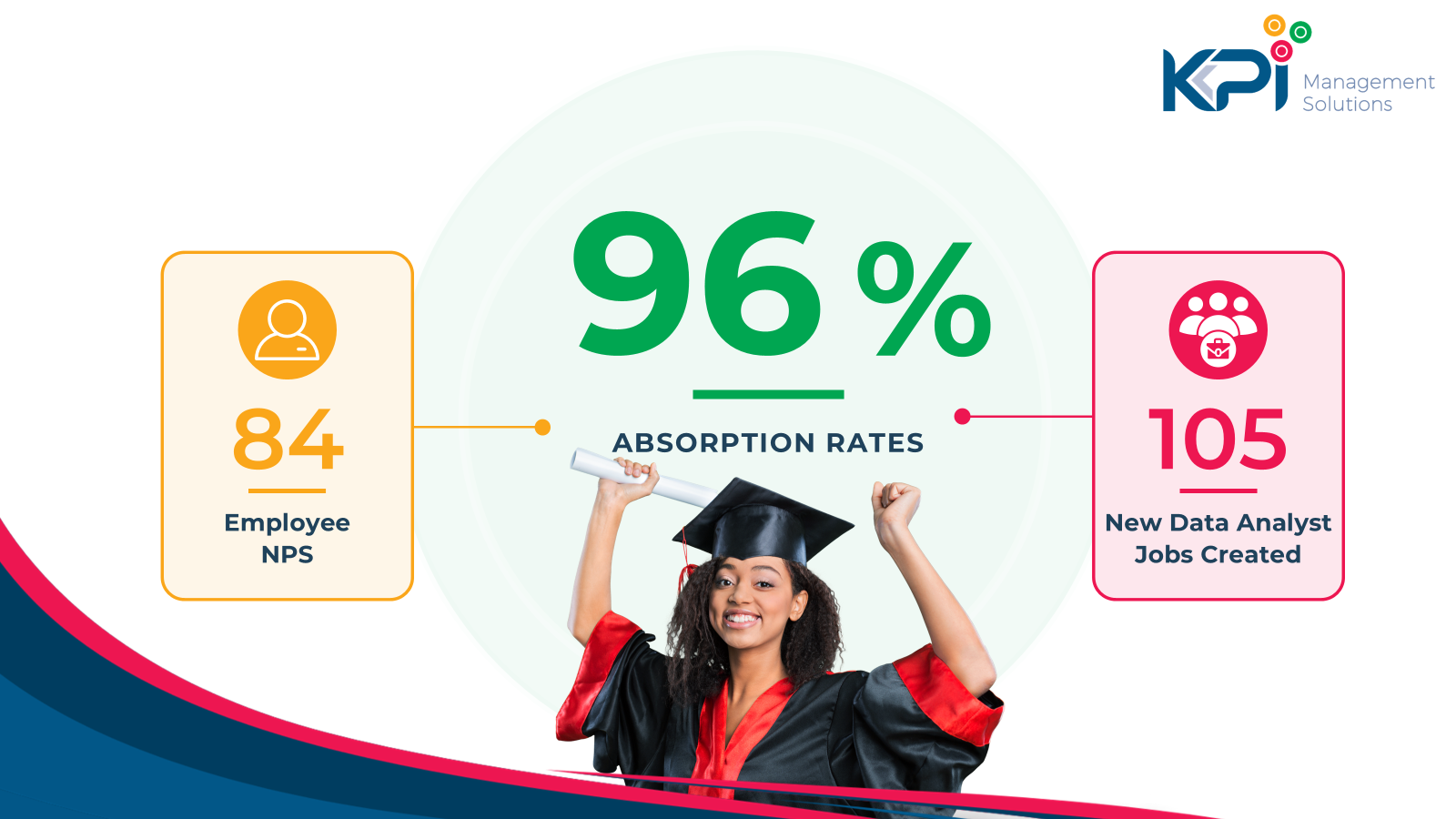
What does success actually look like?
The bigger lesson
Looking back, it is interesting that our graduate programme began with something that felt like a business frustration.
Our clients kept taking our people.
At the time, I saw it as a problem we needed to stop.
But when we began listening to why it was happening, we discovered an opportunity that was considerably bigger than protecting our consulting team.
Our clients needed talent. We knew how to develop it. And South Africa had talented young people who needed opportunities to demonstrate what they could do.
The solution was to bring those needs together.
That is why I believe agreeing the pipeline is such an important starting point.
We should not be developing people in isolation from the organisations that need their capabilities. Nor should businesses expect the talent they need to simply appear in the recruitment market.
There is an opportunity to take shared responsibility for creating that talent.
It requires investment, committed mentors, careful recruitment and a willingness to develop people over time.
But the results can be meaningful for everyone involved.
The business gains capability. The graduate gains experience and the opportunity to build a career. And the training investment produces something more substantial than a certificate.
What started as a problem of losing good people eventually became a way of creating more of them.
I still find that a useful reminder.
Sometimes the problem we are trying to prevent is pointing us towards a better business model.